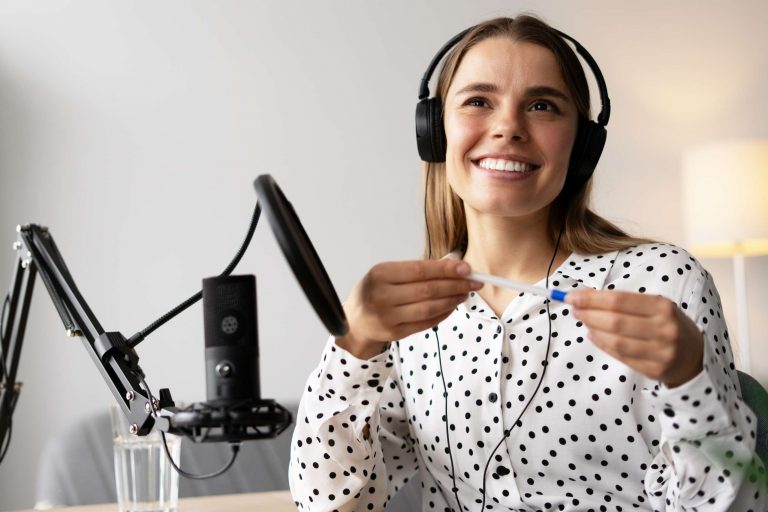

Many conventional training methods that are being used to teach singers rely on repetition and rigid drills which can become dullying after a while, even discouraging. VoicePlayTech, however, chooses a different path altogether by adding fun to learning phases to ensure effective and entertaining voice development. There are playful techniques that promote play, curiosity, exploration, creativity and engagement keeping the student in a space where the fear of not having it right is not making them stop. This method allows for students to experiment and learn about new vocal qualities and expressive possibilities in a relaxed and inspiring way.
Beginners play games and complete challenges that establish a foundation of breath control, pitch accuracy, and vocal resonance. These teachings are developed to be entertaining but structured, guaranteeing that technical development goes hand in hand with creative investigate. By interweaving a structured approach with fun tasks, learners are able to learn the technique necessary without feeling restricted by mechanical drills. This equilibrium supports learning more, for longer.
Playful exercises continue as students advance into exercises addressing articulation, projection and expressiveness. Role Plays, Voice and Rhythm based activities are included to enable them for a dynamic use of the language. This not only helps fortify the voice physiologically but also increases confidence and ease in communicating. Students identify and apply vocal delivery to venues ranging from public address to performance with appropriate levels of clarity and emotional force.
Play also encourages long-term engagement and the formation of habits. Students are more likely to come back because they can have fun and engaging experiences, which means this is a sustainable strategy. Creative exercises prevent burnout and foster a lifetime love for developing the voice. The nonthreatening atmosphere helps learners play outside of their comfort zone, try out new approaches, and own their improvement with greater ease in order to become experts faster.
Indeed, the place of play in voice training is indicative of the link between fun and creativity and skill development. The VoicePlayTech example suggests that play does not necessarily mitigate technical integrity but rather drives it by invoking participation, control, and expression. Students graduate the program not only with more robust voices, but also with a renewed spirit of curiosity and delight in their singing process.